10 great trick-taking and climbing games from 2025
Plus at least 12 more games I enjoyed this year.

As the year comes to a close, I always enjoy reflecting on the games I played over its course. As with recent years, trick-taking is no exception to this fact, though (as will always and forever be the case) there are far more games released than I can play.
With that in mind, I wanted to talk about some of my favorite new-release trick-taking games I played this year. I played a number of trick-taking games for the first time this year, too, but we’ll just have to wait for a future newsletter to talk about that one.
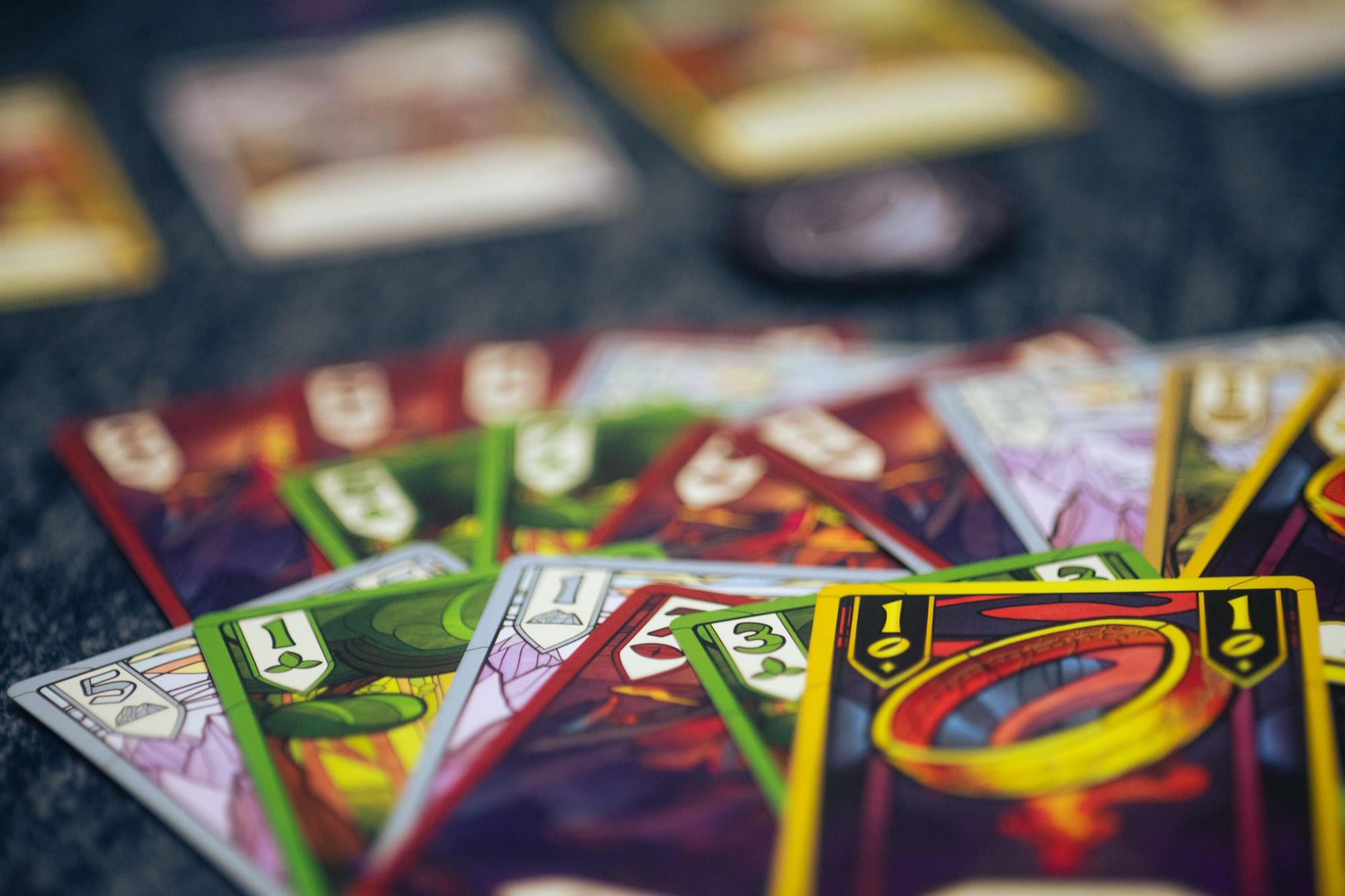
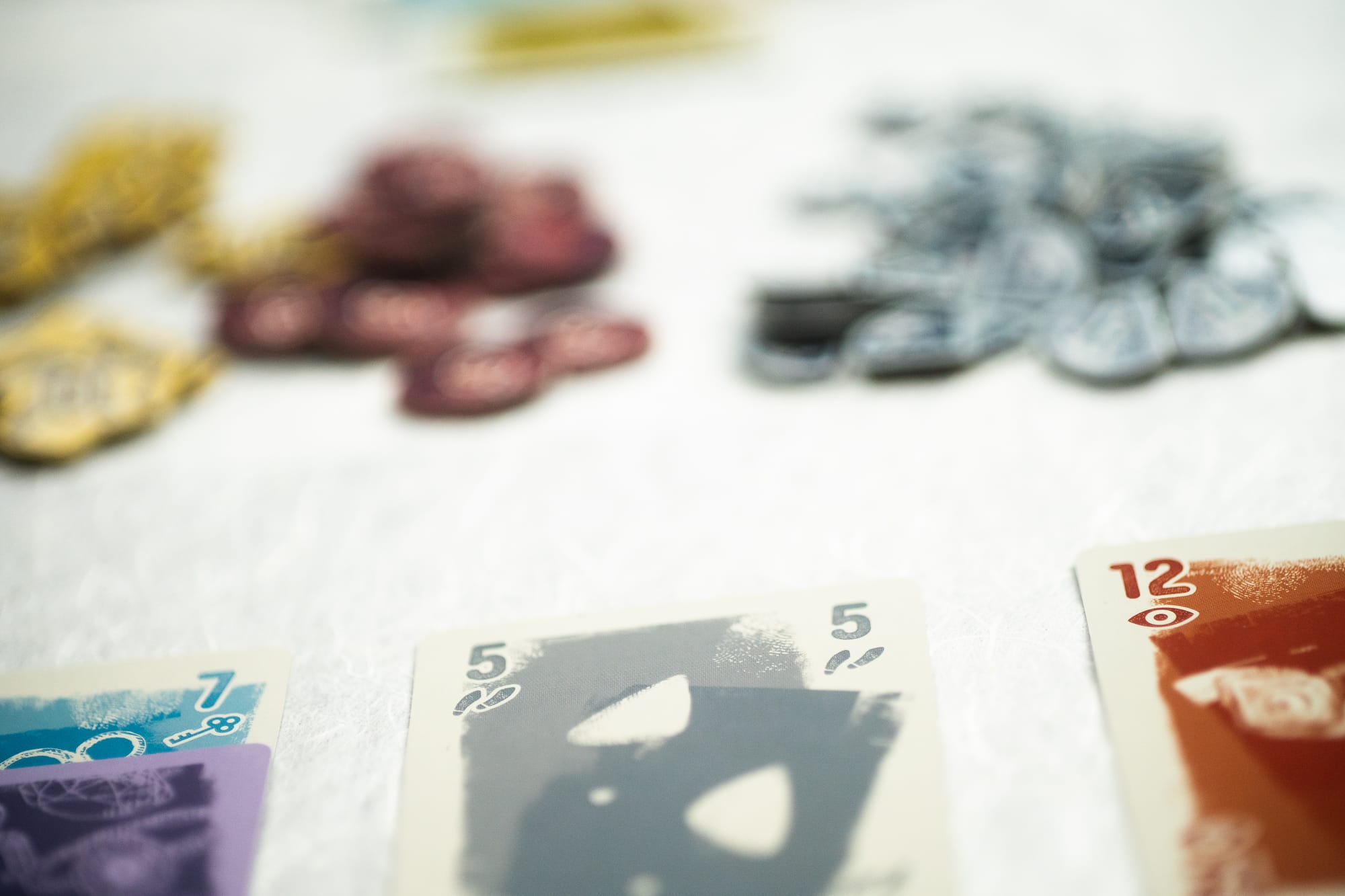
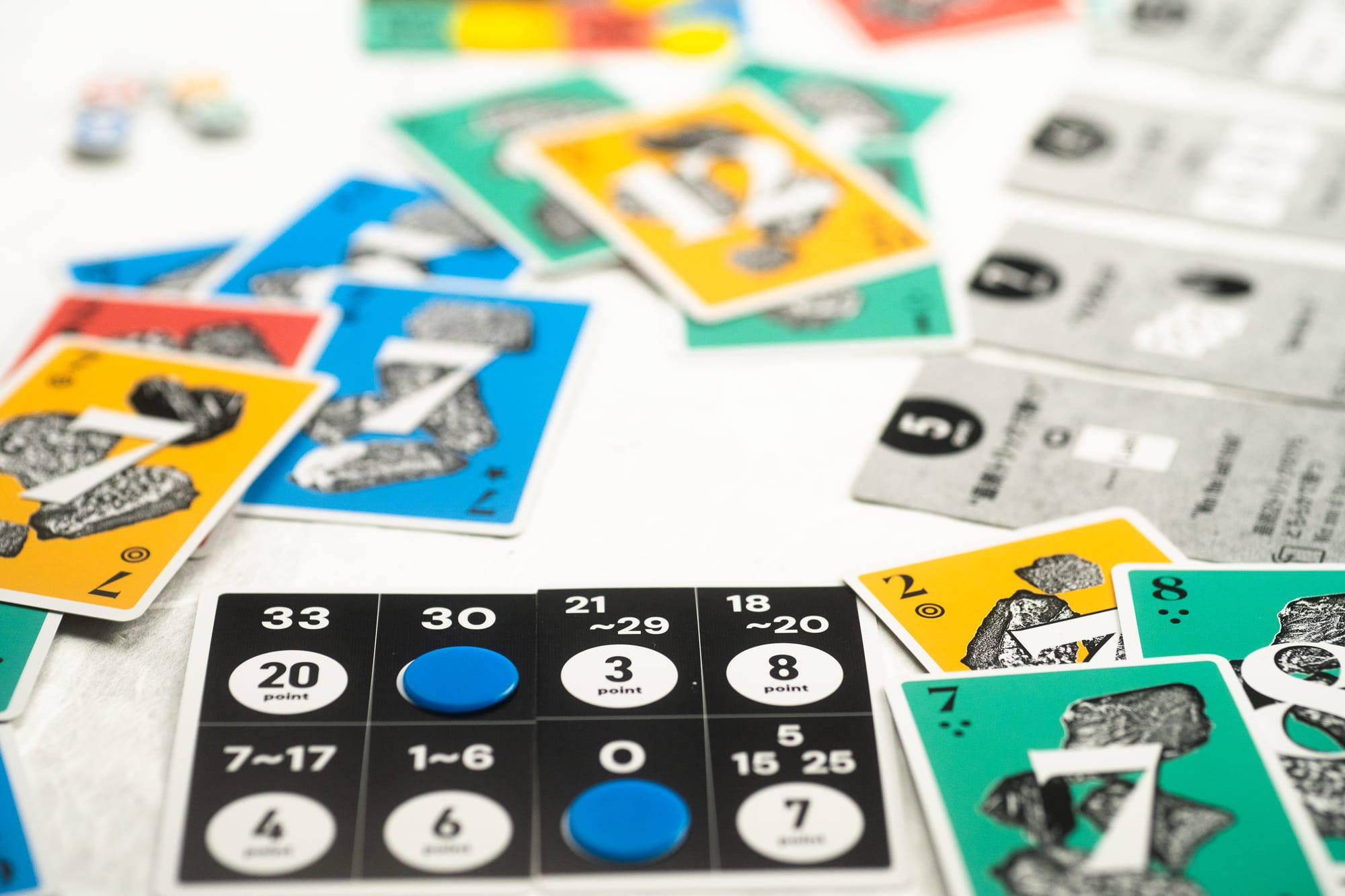
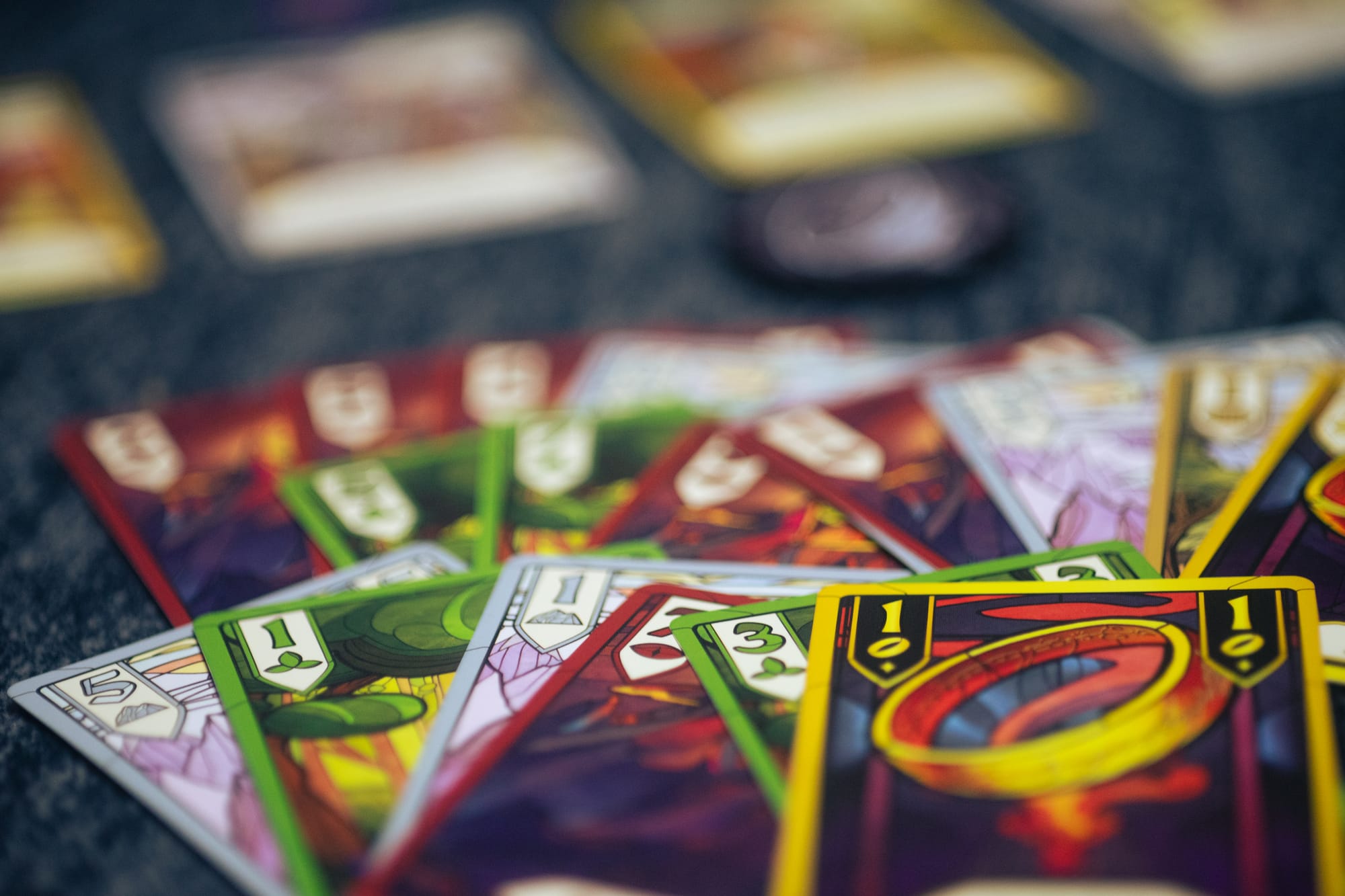
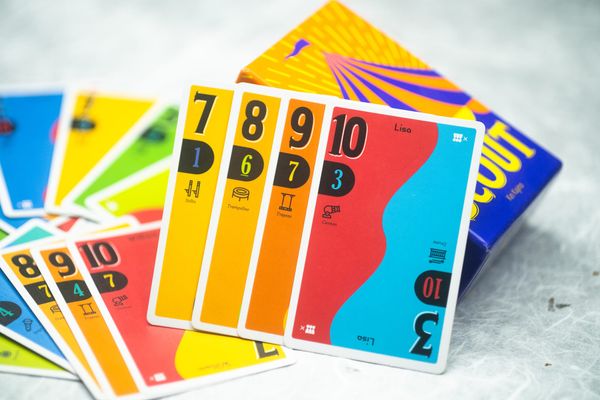
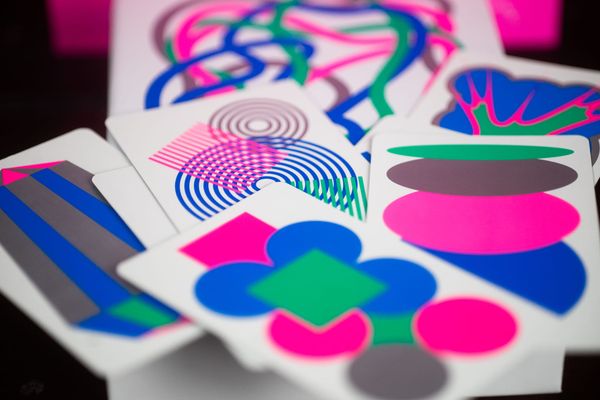
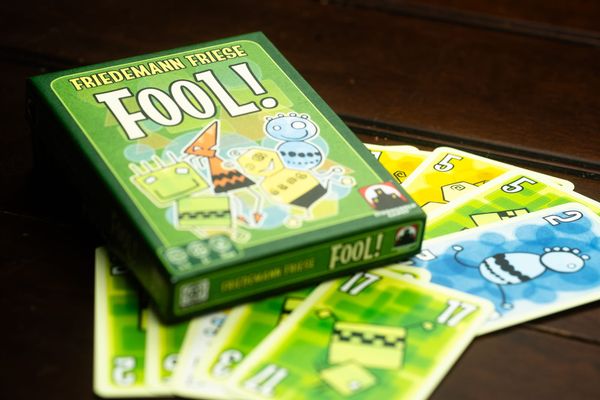
The Lord of the Rings: The Fellowship of the Ring — Trick-Taking Game, No Loose Ends and Quattro Trick-Taking | Photos by Matt Montgomery
Five great trick-takers from 2025
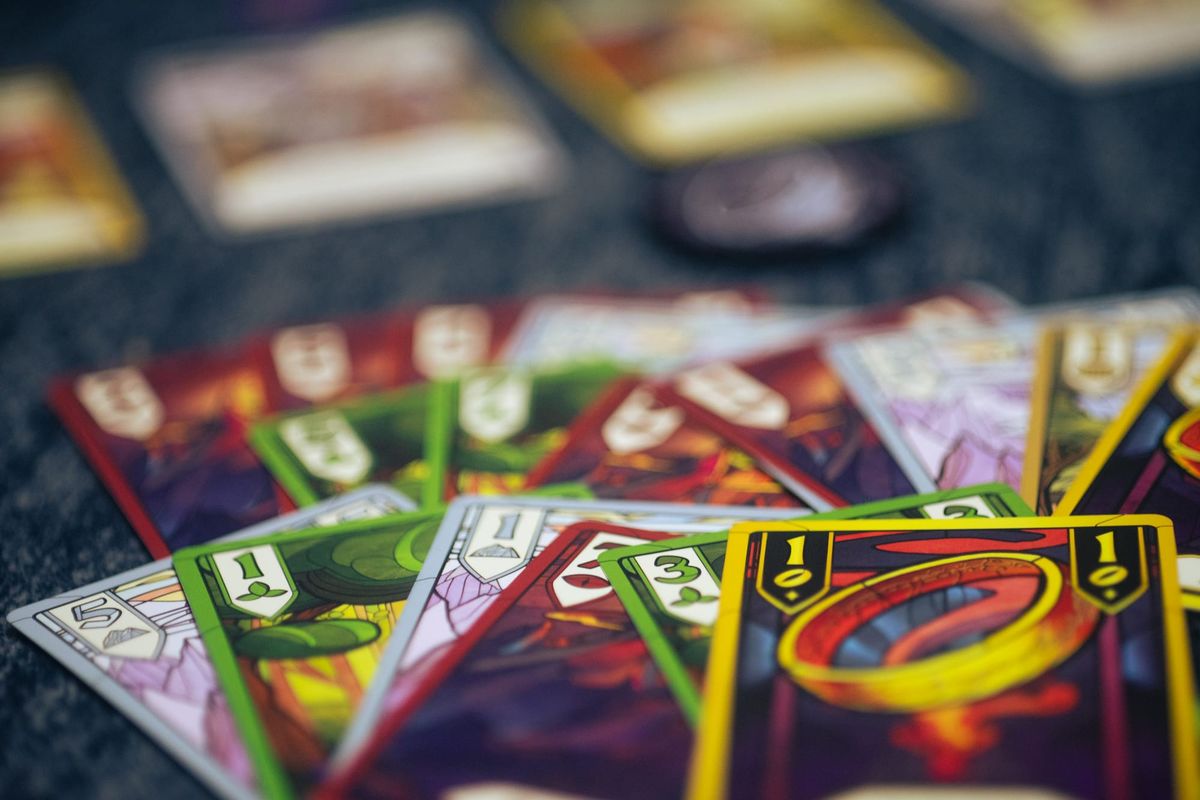
The Lord of the Rings: The Fellowship of the Ring — Trick-Taking Game (Bornmueller, 2025) is an absolute delight. It’s a cooperative campaign-driven trick-taking game following the events of the first part of the famed trilogy, and it does so faithfully and with a real respect for the story being told. If all adapted works were this good, we’d be in excellent territory. The varied chapters of the campaign range from nice and easy to brain-burningly difficult. While this one will draw inevitable comparisons to The Crew (Sing, 2019), consider it on its own merits. It may be in the same rough subgenre, but it stands on its own quite well. Designed by Bryan Bornmueller, illustrated by Elaine Ryan and Samuel R. Shimota, and published by Office Dog Games.
No Loose Ends (Shinzawa, 2025) is a great trick-taker from the ever-fascinating Taiki Shinzawa with an interesting bidding system. At the beginning of each round, you’ll select some cards from your hand as your bid. Those bids are met if you win one of a trick with a matching rank card, with a matching suit, or with the lead suit of the trick. It’s a reimplementation of 2024’s Shut the Books, which became a hot commodity very quickly after it was released in Japan, so it’s nice to be able to play this version. Designed by Taiki Shinzawa, illustrated by Sai Beppu, and published by GameHead.
Numberwang (Babakitis, 2025) is a straightforward trick-taker with a traditional feel — almost. It’s a must-follow game, and you have to break trump in order to lead with it. The bidding, though, is not straightforward. You’ll be making bids for the number of tricks each player will take, and you’ll do that by passing around each player’s hand, rotating one at a time and noting a bid for that player before moving on. You get points for bids that you’re right about, and if you’re right about your you also get points for bids that other players miss. Designed by Cardner Babakitis, illustrated by Alex Babakitis, and published by Odd Candy Games.
Piñatas (Knizia, 2025) is the third iteration of the 2017 release Voodoo Prince, which never saw a widescale U.S. release, though its second iteration, Marshmallow Test (2020) was released by Gamewright. This game is sort of a mix between the two, combining the basic play of Voodoo Prince with the scoring of Marshmallow Test. Knizia reimplementations are not a new thing over here, but in this case, it brings a game back to broad publication that deserves it. It’s the rare trick-taking game where there’s a ‘going out’ mechanic — that’s usually reserved for climbing and shedding games — and you score points equal to the tricks won by all other players when you go out by winning a set number of tricks. It becomes a bit of a balancing act, and if you go for the most points possible by going out last, you might just find yourself not going out at all. Designed by Reiner Knizia, illustrated by Dominique Ferland, and published by Allplay.
Quattro Trick-Taking (Shinzawa, 2025) is not the best trick-taking game I played all year from a pure gameplay perspective, nor is it the most immersive. At times, it feels a little clunky and weird. That’s actually why it’s on this list: I love the ever-so-slightly rough edges in this game in which each player has a completely different objective for earning points, and those objectives rotate each round. By the end of the game, you’ll see every objective. Your bids might be based on the sums of the cards you win tricks with, on the cards you don’t win tricks with, the tricks you win with specific colors, or specific mission cards. There’s something about that experimentation that just worked, and Taiki Shinzawa — already somebody who uses a wide variety of bidding systems throughout his games — knows how to make systems that work well together. Designed by Taiki Shinzawa, illustrated by Keisuke Nakamura, and published by AMATSUBU GAMES.
Four great 2024 trick-takers I played this year
These great games all first saw release in 2024, but I didn't play them until 2025.
- Skull Queen (Dorra, 2024) was released in late 2024 in Germany, and I didn’t play it until mid-2025 — and then I had to wait another six months to finally import the game. It’s a fantastic push-your-luck trick-taker where you’re moving up and down a plank for points for each suit, and if you go off the plank, you won’t get any points for that suit.
- Trickarus (Cannon, 2024) remains an incredible example of how to make theme work with a trick-taking game. Each player is their own Icarus, daring to fly too close to the sun. The first player to fly into the sun triggers the game’s end, often leading to the next-best player winning the game.
- The Six of VIII (LaGrow, 2024) is an excellent partnership game where the trump suit rotates throughout the round based on the timeline of King Henry VIII’s wives. It’s terribly clever and is getting a wide release this year from 25th Century Games.
- Bid Coin (Shibu, 2024) has a bid system where you’re trying to win specific numbers of tricks each round — each player has a set of bid cards of varied numbers that they’ll be whittling down each round (hopefully!) by winning tricks equal to a sum of any of your cards, and you win by completing all of them. It’s really fantastic.
Five great climbing games from 2025
Bested Another Time (Reiner, 2025) is a climbing game with passing incentives, like the ability to lead the next trick, discard melds from your hand, gain a wild card, and even place a bet on another player shedding out. But if you’re the last player standing, you can play over your own melds, letting you potentially shed out considerably faster than other players. There are interesting variants included, and each player count unlocks different aspects of the game. It’s such a clever game, and the way it plays at different player counts really hits well. Designed by Taylor Reiner, illustrated by Sai Beppu, and published by Gotcha Gotcha Games.
I’m Out (Uesugi, 2025) is a climbing game in which players are creating a line of ordered cards on the table, playing cards to either side of that line strategically to be the first person to shed out. It’s a pretty simple game to play, and the CMYK Magenta edition just pops on the table. It’s also available outside the U.S. as 13 Leaves, which was its initial title upon release in Japan. Designed by Masato Uesugi and published in the U.S. by CMYK.
Match Fixer’s High (Kim and Reader on Jupiter, 2025) puts players on a race track, where they’ll be competing to either finish first and eliminate all other players or take second place without a ‘suspicious drink’ card. The theme — fixing a race — means all players have one of those suspicious drink cards, and if they’re caught with one, their attempts to fix the match have failed. Honestly, it’s a little bit weird, and I love that about it. Designed by Reader on Jupiter and Anuc Kim, illustrated by Anuc Kim, and published by Jupiter’s Club and Playte.
Ruins (Clair, 2025) is a card-crafting climbing game based on John D. Clair’s earlier Custom Heroes (2017). As you progress through the game, you’ll improve the cards in the deck, giving them powerful abilities or increasing cards’ ranks. The late game here gets chaotic and weird, and that makes for a really fantastic time. Designed by John D. Clair, illustrated by Jake Morrison, and published by Allplay.
Tip of the Diceberg (Barron, 2025) is essentially a must-not-follow climbing game with variable suits, each of which represents a different die in the polyhedral set (D4 through D20 — the suits get wild!) — so the purple suit only has four dice, where the red suit has a staggering 20. Each game features a randomly selected set of melds that are available to play, so don’t expect things to ever really remain the same. Designed by Jon Barron, illustrated by Racknar Teyssier, and published by Baron Jon Games.
Four great two-player climbing games
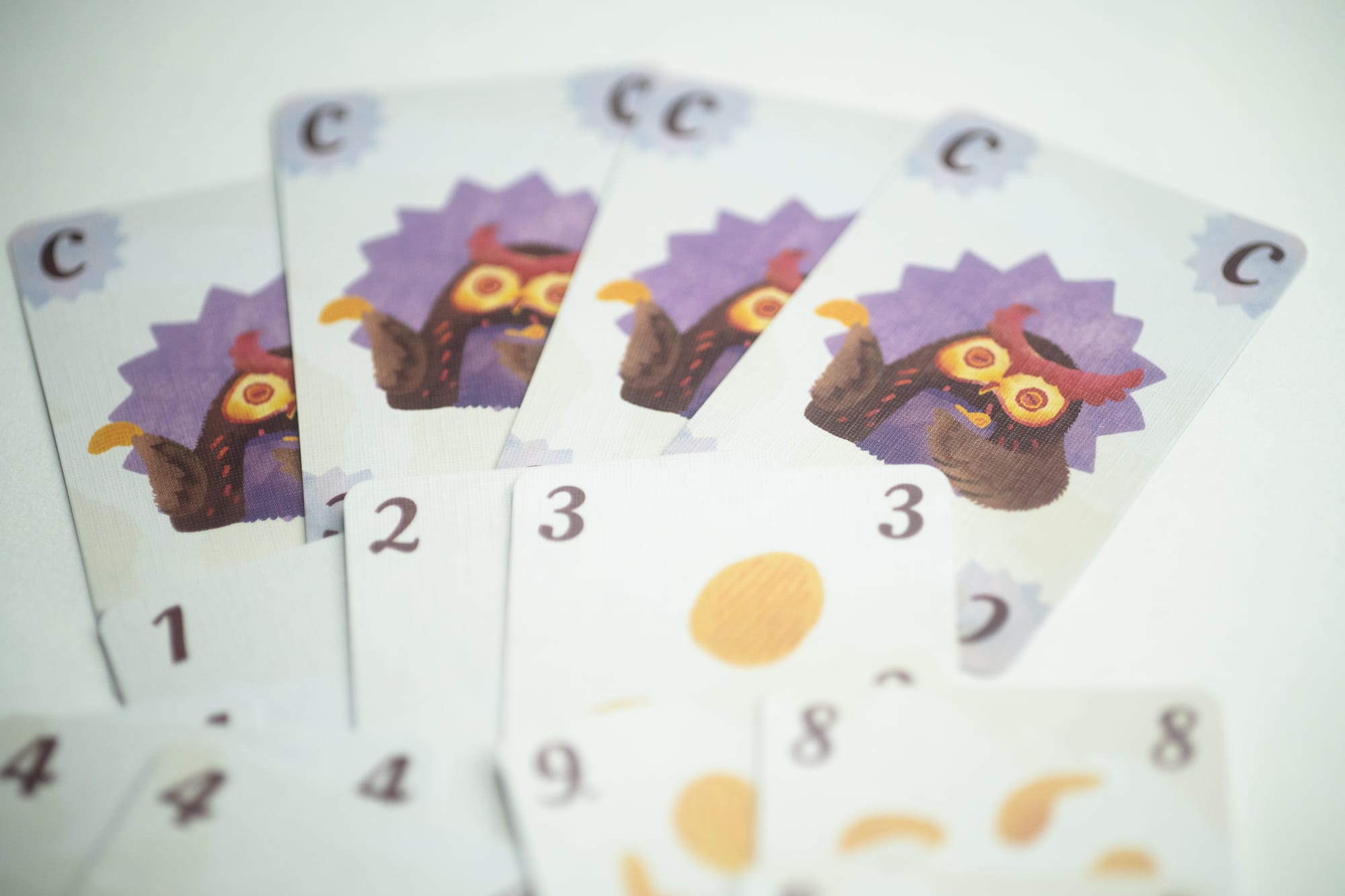
Crisps (Bhat) is a climbing game I dove headlong into over the last year, and really, it’s been around for more than just 2025 — this is just the first year it was available in a physical edition. Of course, you can play the game with a standard deck of cards, but it’s entirely suitless, so that extra bit of information can just be that little bit of overload you don’t want in a card game. This one’s quick-playing, and while it’s largely tactical, owing to the fact that you’re drawing a card after each trick has been played, there’s a real wait-it-out strategic element that becomes the crux of the game. Turns out, I’m not always good at waiting. Designed by Shreesh Bhat, illustrated by Sai Beppu, and published by Little Dog Games.
Dickory (Ross and Sonderegger, 2025) was first web-published in 2021, but 2025 saw its first physical version thanks to New Mill Industries. It’s a cool little climbing game in which the ranking of cards varies with a conveyer belt of cards. You can use those cards in creating melds with cards from your hand, but as you do, you’ll be changing the order of rank — you might, for instance, make 6 the highest card, meaning your 7/8/9 run may now be a low-value run. The whole value of the cards in your hand is constantly shifting. Designed by Sean Ross and Hanibal Sonderegger, illustrated by Imogen Oh, and published by New Mill Industries.
Greasy Spoon (Ross, 2025) is a climbing game in which you and your opponent start with identical decks of cards to work through, rather than working from a collective deck. There are three categories of melds, and you can combine some of those with others. When you pass, you can also choose to discard, and you’ll get those discarded cards at the end of the game. Will you try to save cards to make for a powerful late-game, risking the ability to get to those cards at all? There’s such a fine balance here. Designed by Sean Ross, illustrated by Carly A-F, and published by New Mill Industries.
Lepidoptery (Karesh and Vasudevan, 2025) is a bit like Connect Four and a climbing game merged into this beautiful mess. Each type of meld is a different column on the board, and you can never take the same column twice in a row without first passing. Designed by David Karesh and Srinivas Vasudevan, illustrated by Imogen Oh, and published by New Mill Industries.
Eight great games finally published in English or widely available
- Fright Factor (Ferris, 2025) is a retheme of the odd trick-taker Heir to Europa (2015), which features suits that gradually become ineligible to lead a trick depending on their strength. It’s tricky, but it’s very cool.
- Ghost Lift (Onegear, 2025) is a revamp of the 2024 title The Ghost Lift, which is a simple climbing game where you’re either playing in ascending or descending order, depending on the cards played in a trick.
- Jungo (Arao, 2025) is a reimplementation of the earlier Hachi Train (2021), which was also reimplemented as Nanatoridori (2023) — it’s a shedder where you’re only playing sets, and you can’t reorder your hand, and you get to add more cards to your hand strategically. Each of these is just a little different in deck construction, but Jungo is the only one widely available in the U.S., so I think that’s my bets recommendation.
- Piñatas (Knizia, 2025) is a reimplementation (and he’s the king of reimplementations!) of his earlier games Voodoo Prince (2017) and Marshmallow Test (2020), and it’s got really lovely art that isn’t controversial. I talked about this one above in more depth, because I just love playing it.
- RoboKraft (Gimmler, 2025) is a reimplementation of Aber Hallo! (2000), and it features suits that shift in strength relative to each other throughout the round, effectively creating a rotating trump suit. This is on my to-play list.
- Tricky Twist (Reiner, 2025) is a reimplementation of his earlier Short Zoot Suit (2023), a cult hit also available in his Zoo and More (2025) compilation.
- Vegeterrors (konbou_club, 2023) is essentially just an English-language adaptation of Makaifuda, with the art even remaining the same. (This is slightly unusual for New Mill games, but that’s largely about illustration rights staying with the original publisher.) It’s a great must-not-follow trick-taker where you’re not trying to win or lose tricks for yourself, but rather for the suit itself based on a bid you make at the beginning of the round.
- Vivo (LEO, 2024) is a cool little trick-taker in which each trick follows a different rule for the number of suits that can be played. Allplay picked up this clever game with a fantastic dog theme.
Ten games still on my to-play list
- 3 Tricky Pigs (Stiles and Ungaro) — themed around the fable, low cards win, unless there’s a wolf played to the trick.
- 3 Witches (Young) — a three-player, two-on-one game where four cards are played per trick. I just need a three-player game night, I guess!
- Beastro (Corace and Uguzzoni) — team trick-taking with hidden roles.
- Clumsy Room Maids (Shibu) — you’ll be making bids using cards from your hand. If you meet your bid and your opponents don’t meet theirs, you’ll rack up points.
- Dino Trix: Tarot Adventures (Kenel) — three different tarot-using trick-taking games, plus the best Sai Beppu dinosaur art around.
- Dodicitre (Shinzawa) — a climbing game in which you can beat melds or add cards to melds. It’s a Taiki Shinzawa game.
- Hot Dog (Babakitis) — cards have hot dog values and bun values, addressing that age-old question about bun and hot dog package sizes.
- Folia Folio (Newman) — may-follow trick-taking plus set collection and leaves? Alright!
- Mystery Tricks (Barron) — cooperative trick-taking with a vaguely Scooby Doo theme.
- Origin Story (Stegmaier and Wissinger) — build a superhero back story — tableau-building and trick-taking
- Zoo and More (Reiner et al) — Five games, four decks of cards, trick-taking and climbing — and with five interesting designers, each game alongside the rapidly rising trick-taking designer Taylor Reiner.